
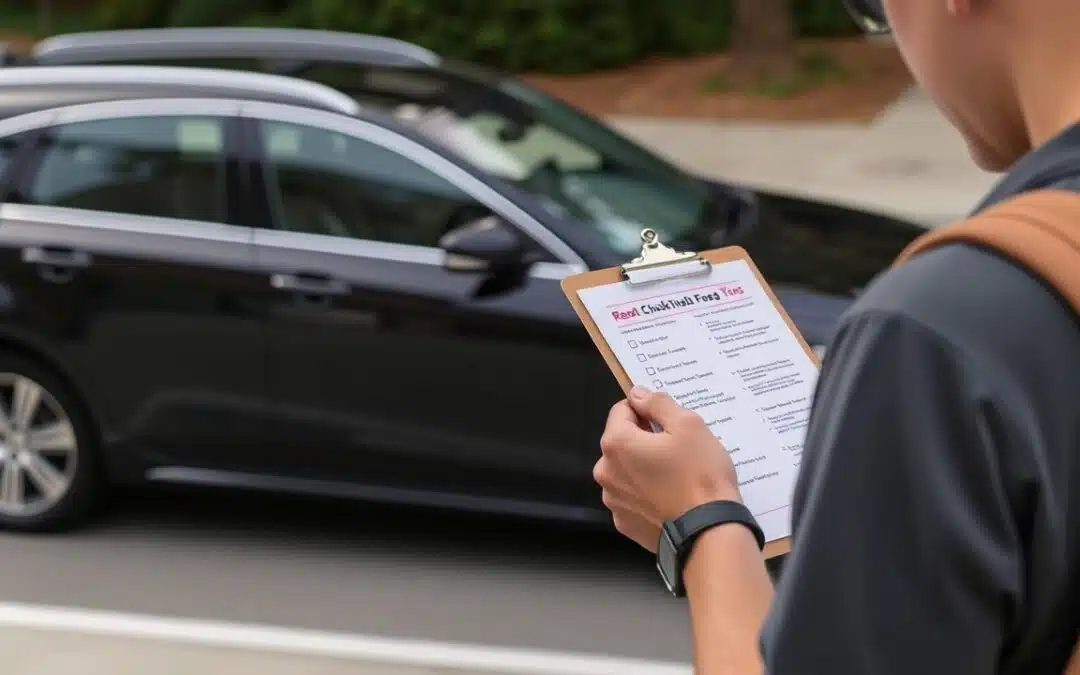
Effectively managing executive transport requires meticulous attention to detail. A comprehensive travel checklist for executive assistants can ensure a seamless and secure experience for the traveler. This guide provides a detailed executive transport checklist template, covering pre-departure, during the ride, and post-ride procedures. For executive assistants planning travel, using this checklist can enhance professionalism and reliability, providing executives with peace of mind throughout their journey.
Pre-Departure Checklist
The pre-departure phase is critical for setting the stage for successful executive transportation. It involves several key steps, from itinerary verification to secure document management. A well-prepared executive assistant uses this checklist to anticipate potential disruptions and ensure all elements of the transport are aligned with the executive’s preferences and schedule.
Itinerary Review
The first step in the pre-departure checklist involves a thorough itinerary review. The executive assistant should meticulously examine the flight schedule, ground transportation bookings, hotel reservations, and all scheduled meetings to ensure effective logistics management. This ensures alignment with the executive’s calendar and identifies any potential conflicts or delays. Confirm that the itinerary reflects the executive’s preferences and any specific requirements for the destination, ensuring a seamless experience.
Reservation Confirmation
Confirming all reservations is paramount to avoid disruptions during executive transport. This includes verifying flight bookings, hotel reservations, and ground transportation, such as airport transfers and chauffeur services. The executive assistant should obtain confirmation numbers and double-check all details with transportation providers and hotels. This step ensures that all services are secured and ready for the traveler upon arrival, reducing the likelihood of unexpected issues.
Travel Insurance Verification
Ensuring the executive has adequate travel insurance is a critical aspect of pre-departure planning. The executive assistant should verify that the travel insurance policy is current and covers potential risks such as trip cancellations, medical emergencies, and lost luggage. Review the policy’s coverage limits and ensure they are sufficient for the destination and the executive’s needs. Keep a copy of the insurance policy readily available for quick access in case of an emergency, providing an additional layer of security during executive transport.
Transportation Arrangements
Ground Transportation Options
Arranging suitable ground transportation is a vital part of the executive transport checklist. Consider options like a dedicated chauffeur service, airport transfers, or rental vehicles based on the executive’s preferences and the specifics of the destination. For large groups or special events, a bus service might be necessary. Ensure that any ground transportation, provided by a professional transportation service, aligns with the executive’s itinerary and provides a seamless transition from the airport to the hotel or meeting locations. Proper planning ensures that the traveler experiences minimal disruption during their transport.
Chauffeur Selection
Selecting a qualified chauffeur is essential for secure and professional executive transport. Verify the chauffeur’s certification, experience, and background to ensure reliability and safety of the fleet. The executive assistant should confirm that the chauffeur is familiar with the executive’s itinerary and any specific preferences. A reputable transportation company will provide drivers who are not only skilled but also discreet and professional. Confirming that the chauffeur adheres to all compliance standards provides an added layer of security and professionalism for the traveler during their execution of duties.
Rental Vehicle Inspection
If the executive prefers a rental vehicle, a thorough inspection before departure is critical. The executive assistant should ensure the vehicle meets safety standards and is well-maintained, thus adding to the checklist for executives. Check for any existing damage and confirm that all necessary documentation, including passport, visa, and insurance, is in order. Verify that the vehicle is suitable for the destination and weather conditions, and that it is equipped with necessary features. This proactive inspection helps prevent potential disruptions and ensures a secure and comfortable transport experience.
During the Ride
Passenger Comfort and Safety
During the ride, maintaining passenger comfort and safety is the top priority. The driver should ensure a smooth and secure journey, adhering to all traffic laws and regulations. Regularly monitor the temperature and ventilation within the vehicle to meet the executive’s preference. Provide amenities such as water, snacks, and reading materials to enhance the comfort of the traveler. Verify that all safety features, including seatbelts, are functional and utilized, creating a seamless and pleasant executive transport experience. This part of the checklist for executive is critical.
Emergency Preparedness
Emergency preparedness is crucial during the transport. The driver should have a well-stocked first-aid kit and know basic first-aid procedures. Ensure that emergency contact information, including the executive assistant and local authorities, is readily available. Be prepared to handle unexpected situations such as flat tires or vehicle malfunctions, having a plan to minimize disruptions. Regularly communicate any logistics regarding the travel checklist for executive assistants. delays or changes in the itinerary to the executive, demonstrating professionalism and care. The checklist must address the need to be prepared for the worst.
Seamless Communication
Seamless communication is vital for effective executive transportation. The driver should maintain clear and respectful communication with the executive, providing updates on the schedule and estimated arrival times. Use discreet communication methods to avoid disturbing the traveler. The executive assistant should remain accessible to address any requests or concerns about the travel logistics. Coordinate with the transportation company to relay important information regarding the travel checklist for executive assistants promptly. Clear channels of communication ensure a smooth and stress-free journey, enhancing reliability and confidence in the management company’s coordination. transportation service and execution of duties.
Post-Travel Checklist
Feedback and Review
After the executive transport, gather feedback from the executive regarding their experience. This feedback provides valuable insights for improving future transportation services. Review the transport service, assessing the performance of the driver, the comfort of the vehicle, and the efficiency of the ground transportation. Use the feedback to refine the logistics and pricing of the travel arrangements. executive transport template and address any areas needing improvement. This step ensures continuous enhancement of the executive travel experience. Using this checklist for executive assistants ensure improvement and professionalism.
Expense Reporting
Complete expense reporting accurately and promptly following the executive transport. Gather all receipts for transportation, accommodation, logistics, and related expenses. Verify the accuracy of invoices from the transportation company, hotel, and other service providers. Submit the expense report to the appropriate department for reimbursement. Maintain detailed records of all expenses for auditing purposes. Efficient expense management contributes to financial compliance and transparency, enhancing the credibility of the executive assistant and the transportation process. This shows good coordination and confidence in the management company. planning travel.
Follow-Up Actions
The final step in the executive transport checklist involves completing follow-up actions. Send thank-you notes to the chauffeur, transportation providers, and any other individuals who assisted with the professional transportation. Address any outstanding issues or concerns raised during the journey. Update the executive’s travel profile with any new preferences or requirements for future trips. Review and update the executive transport template based on lessons learned in coordination with the management company. These actions ensure continuous improvement and demonstrate a commitment to providing exceptional executive transportation services and seamless journeys.